Professional Architectural Design Firm Services: Bespoke Answers for Domestic and Enterprise Projects
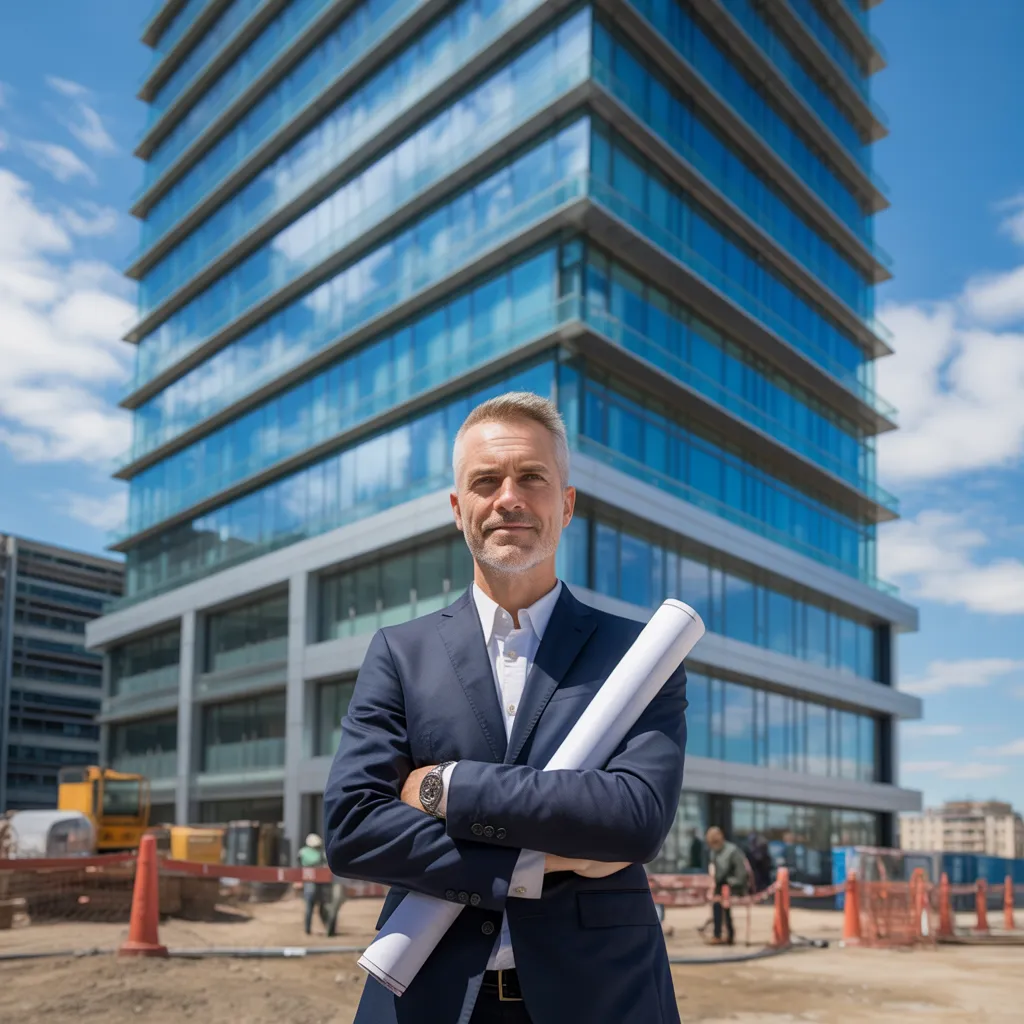
Accomplished design firms constitute a key element in constructing both domestic and commercial environments. They unite creativity with technical expertise to deliver tailored solutions. Through in-depth consultations and site analyses, these firms establish that every design aligns with client visions and regulatory standards. As the appetite for green and innovative designs grows, understanding what these firms bring to the table turns essential. This exploration reveals how these services can substantially enhance project outcomes.
What Leading Architecture Firms Contribute to Your Undertaking
Top-tier architecture firms elevate projects by merging creativity with technical expertise. They bring a wealth of knowledge in design principles and construction methods, guaranteeing that each project is not only aesthetically pleasing but also structurally sound. Their cooperative approach fosters communication among stakeholders, allowing for a seamless integration of ideas and requirements.
In addition, competent enterprises apply sophisticated technology, such as Building Information Modeling (BIM), to formulate comprehensive renderings and computational models, strengthening decision-making processes. Their understanding with local regulations and zoning laws ensures legal adherence, curtailing delays and complications.
Additionally, they provide eco-friendly design approaches that encourage energy efficiency and environmental responsibility. By tailoring their services to the unique needs of each client, skilled architectural practices deliver cutting-edge designs that enhance functionality and livability. Ultimately, their multifaceted expertise transforms visions into reality, resulting in spaces that are both practical and inspiring.
Indispensable Resources for Your Residential Architecture Project
Within residential architecture, a range of solutions proves essential to guarantee a successful project from origin to finalization. Initial meetings support clients in conveying their vision and requirements, allowing architects to develop a comprehensive design brief. Site review follows, assessing conditions such as topography, zoning regulations, and environmental considerations.
Next, building designers produce conceptual layouts that map out the project’s spatial plan and design elements. This stage commonly includes digital modeling, giving clients a visual representation of the finished product. Once the designs are approved, detailed construction documents are assembled, guaranteeing contractors have all pertinent information critical information.
Additionally, project management services enable seamless communication between project owners and construction teams, addressing any issues that arise during the construction work. Following building codes and local regulations is also monitored throughout the process. These fundamental services combined ensure that residential architecture projects meet client goals while respecting legal and safety benchmarks.
Custom Solutions for Commercial Architecture
While the requirements of commercial spaces can differ significantly, customized design solutions are vital for enhancing visual appeal and performance. Professional architecture firms recognize the importance of grasping each customer's particular requirements, whether for store, office, or multifunctional properties. By executing comprehensive assessments, they can develop spaces that improve operational efficiency while reflecting brand identity.
Furthermore, custom solutions incorporate the specific zoning regulations and site conditions, upholding standards and maximizing the use of available land. Architects leverage innovative design techniques to fashion versatile environments that allow future growth and dynamic business needs.
Collaboration with stakeholders, including contractors and interior designers, further enhances the design process, resulting in cohesive and functional spaces. Ultimately, these custom architectural solutions not only elevate the user experience but also contribute to the long-term success of the commercial venture, establishing a strong foundation for future endeavors.
Sustainability Enriches Architectural Composition
Sustainability serves as an crucial role in contemporary architectural design by encouraging the utilization of eco-friendly materials and adopting energy conservation strategies. Architects increasingly emphasize approaches that minimize environmental footprint while enhancing the aesthetic and functional aspects of their structures. This focus on sustainability not just benefits the planet but also increases value to the built environment.
Green Materials Incorporation
As design professionals increasingly emphasize ecological stewardship, the integration of sustainable materials becomes a crucial aspect of contemporary architecture. Utilizing green materials, such as reclaimed wood, bamboo, and recycled metals, not only minimizes environmental impact but also enhances visual attractiveness. These materials often possess unique textures and characteristics, allowing for innovative design solutions that set projects apart. Additionally, eco-friendly materials contribute to healthier indoor environments by reducing toxic fumes and supporting better air quality. Architects who embrace these sustainable options show a dedication to both functionality and a reduced ecological footprint. By choosing materials that are ethically sourced and environmentally friendly, architectural firms can design spaces that reflect contemporary values while addressing the pressing challenges of climate change.
Efficient Energy Usage Methods
Implementing energy efficiency strategies converts architectural planning into a harmonious blend of functionality and sustainability. By incorporating advanced insulation materials, high-performance windows, and renewable energy sources, architects can greatly reduce a building's environmental impact. These strategies not only minimize energy usage but also enhance occupant comfort and wellness.
Natural air circulation, passive solar strategies, and green roofs further contribute to sustainability, facilitating buildings to maintain ideal indoor conditions while curtailing reliance power-driven systems. Furthermore, smart building technologies enhance power efficiency through constant observation and command. In this way, efficient power usage stands as a fundamental aspect of present-day design, driving breakthrough thinking and ethical design standards in both commercial and residential projects, eventually cultivating a more eco-conscious constructed setting.
How to Identify the Right Architectural Firm for Your Needs?
When choosing an architecture firm, potential clients should emphasize the company's track record and expertise to ensure alignment with their design goals. Furthermore, strong communication and teamwork are crucial for a productive working relationship. Evaluating these factors can help clients make an well-reasoned choice for their design requirements.
Portfolio and Track Record
Assessing the portfolio and experience of an architecture firm is important for making a sound choice. A carefully curated portfolio demonstrates the firm's architectural approach, imagination, and versatility across multiple endeavors. Prospective clients should find examples that reflect their vision, whether housing or commercial. Knowledge in pertinent project types is equally significant; firms with a proven experience in comparable projects are more likely to comprehend specific challenges and regulations. Furthermore, analyzing completed projects can provide valuable insight into the firm's ability to control timelines and budgets. Client testimonials and case studies also increase understanding of the firm’s problem-solving abilities and adaptability. Ultimately, a firm’s portfolio and experience act as indicators of their capability to achieve successful outcomes.
Communication and Collaboration
Effective interaction and collaboration are essential components in the selection of an architecture firm, as they immediately affect project success. A firm’s ability to listen to client needs and express design concepts clearly is vital. Prospective clients should assess how firms facilitate dialogue, guaranteeing an open exchange of ideas throughout the project lifecycle. Regular updates and responsiveness to inquiries can improve teamwork, encouraging a productive environment. Additionally, the use of collaborative tools and technology can streamline processes, making it easier for clients to visualize designs and give feedback. Ultimately, a strong partnership built on trust and transparency will lead to innovative solutions and a more satisfying project outcome, making these factors critical in the decision-making process.
Technology's Role in Transforming Your Architectural Projects
As architectural design evolves, technology functions as an important element in driving groundbreaking ideas. Advanced software tools, such as Building Information Modeling (BIM), enable architects to create precise 3D representations of structures, making it possible for enhanced visual understanding and effective project management. This technology supports live cooperation among stakeholders, ensuring that design iterations can be swiftly deployed and reviewed.
Additionally, artificial intelligence (AI) assists in optimizing layouts and power consumption, offering analytics-based information that guide decision-making. Virtual reality (VR) and augmented reality (AR) deliver engaging simulations, allowing clients to virtually walk through designs before construction begins. This not only improves client involvement but also enhances accuracy in meeting expectations.
Furthermore, eco-conscious innovations serve as a crucial component in modern design, integrating environmentally responsible materials and power-saving technologies. Overall, the integration of technology into architectural design results in more efficient processes, improved collaboration, and ultimately, superior results for both residential and commercial projects.
Tips for Collaborating Efficiently With Your Architect?
The relationship between clients and architects significantly impacts the success of a project. Successful teamwork depends on clear communication from the beginning. Clients should express their goals, budget, and timeline, enabling architects to adjust their designs accordingly. Regular meetings foster transparency, allowing both parties to tackle concerns and modify plans as required.
Moreover, clients should stay open to expert insights. Architects bring forth invaluable experience and creativity, which can enhance the project exceeding initial expectations. Deploying collaborative tools, such as collaborative design systems, can streamline feedback and revisions, making the process more efficient.
Trust is also crucial; clients should feel confident in their architect's decisions while allowing room for creativity. By establishing a collaborative environment, both clients and architects can work towards a common goal, ensuring that the final design not only meets practical needs but also reflects the preferred aesthetic. This synergy ultimately contributes to successful outcomes in both residential and commercial projects.
Frequently Requested Questions
What Is the Common Timeframe for Architecture?
The common timeframe for architectural services extends across several months to over a year. This period consists of steps like preliminary design, advancement, specifications, and execution, each varying based on project complexity and customer specifications.
In What Ways Do Architecture Firms Deal with Zoning and Permit Obstacles?
Architectural practices typically conduct thorough study of local zoning laws and regulations. They often engage with municipal authorities, prepare necessary documentation, and present permits to copyright compliance and support streamlined project progression.
How Much Do Costs Play a Role in Hiring an Architecture Firm?
Costs associated with retaining an architecture firm differ significantly, generally ranging from hourly rates to flat fees based on project complexity. Additional expenses may involve regulatory approvals, supplies, and expert advice, affecting the overall budget significantly.
Is it allowed to modify the design to the design after approval?
Yes, modifications can be implemented after design sign-off, but they may incur extra expenses and setbacks. The extent of changes is determined by the stage of the project and the particular conditions detailed in the contract with the architecture firm.
In What Ways Do Architecture Firms Ensure Client Discretion?
Architecture agencies assure client confidentiality via strict data protection protocols, employee training, and non-disclosure agreements. They establish secure communication channels and limit access to sensitive information, prioritizing client privacy and trust.